
Disclosure: This post may contain affiliate links where I earn a commission if you make a purchase through my links at no additional cost to you.
Travel can be overstimulating, even when you love it. These essentials helped me soften the sensory load and stay centered while exploring Rome.
- 1. Anti Theft Backpack
- 2. Phone String
- 3. Earplugs
- 4. Peppermint Essential Oil
- 5. Compression Socks
- 6. Comfortable Walking Shoes
- 7. My Security Sweater
- 8. Reusable Water Bottle
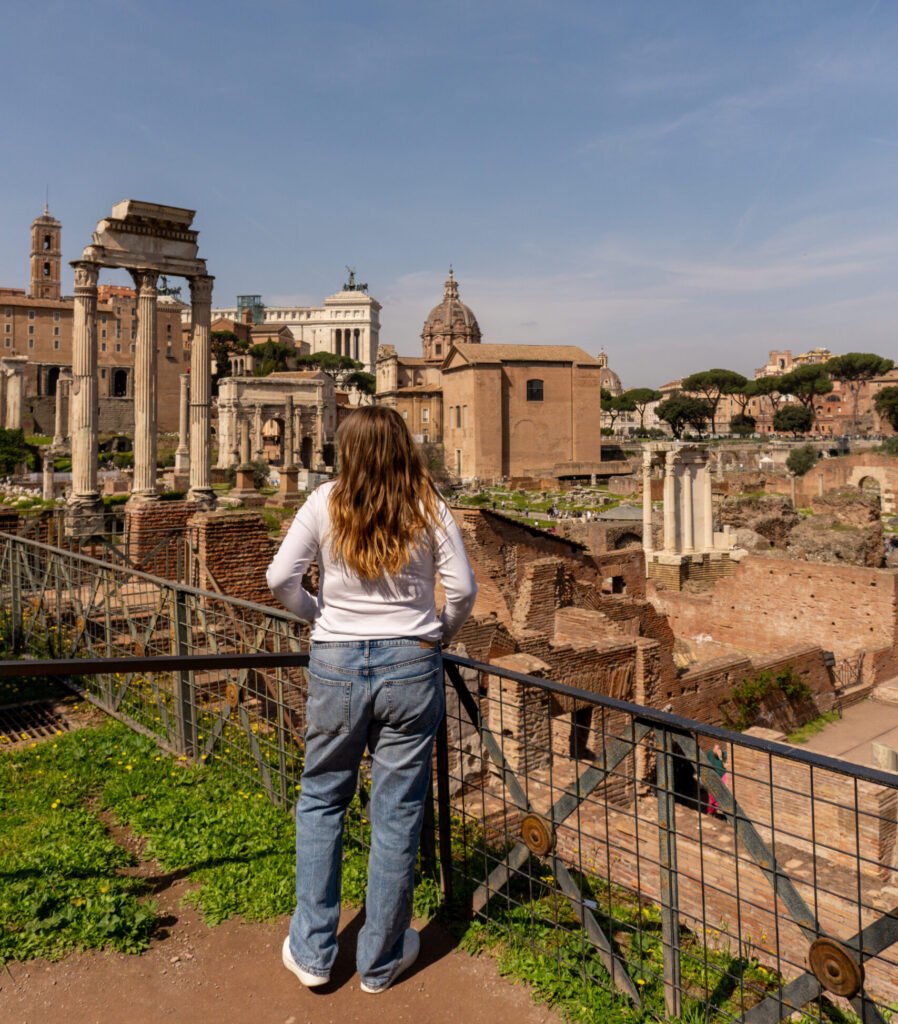
This guide is based on my experience in Rome, where I spent a few days exploring the city and visiting the classic must‑see sites. Rome is beautiful, but it’s also loud, crowded, bright, and physically demanding. The Roman Forum is uneven and rocky under your feet. The Colosseum fills with people quickly and the noise rises fast. The Trevi Fountain is stunning, but the crowds pack in tight. The Vatican Museums echo with constant chatter. The Spanish Steps get busy fast, Piazza Navona is full of movement, and the Pantheon is always buzzing with people. Rome asks a lot from your senses.
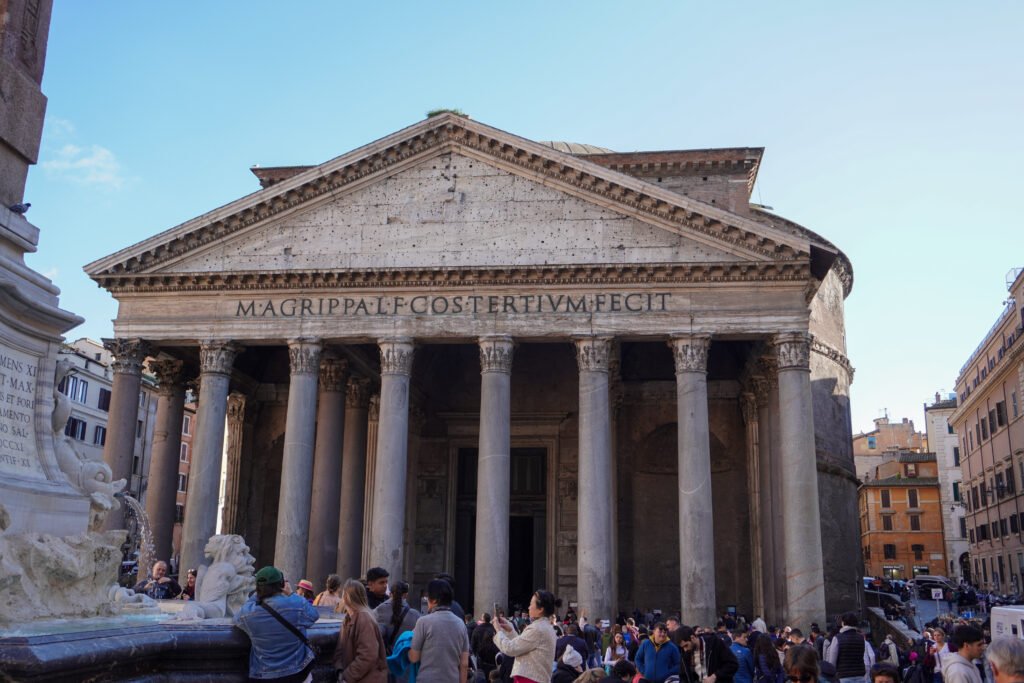
Busy as usual at the Pantheon in Rome.
But that doesn’t mean I won’t go back again and again. It just means I need to listen when my body says I’ve had enough and lean into slow travel pacing with purpose. I love traveling, but I also live with anxiety and sensory overload. It’s strange sometimes, feeling like two people at once. I’m a motivated, curious explorer, but I’m also a shy, introverted, anxious traveler. I know I’m not alone in that. My goal is to help others who feel this way still travel and see Europe’s most incredible places while staying steady and present.
I rely on a small set of essentials that help me stay balanced. These tools soften the sensory load, support my body, and help me come back down when anxiety hits in the middle of sightseeing.
These are the items that made my Rome days calmer, safer, and more manageable.
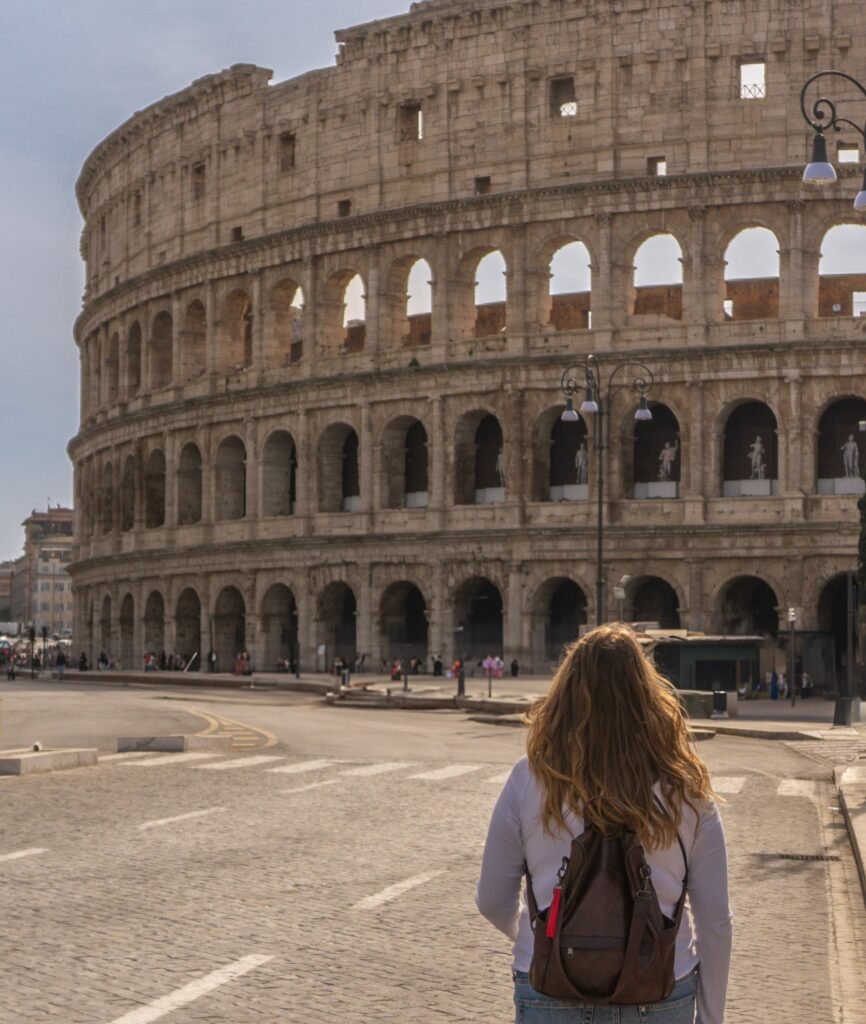
The anti‑theft backpack I trust for long walking days, crowded metros, and wandering without worry.
Pickpocketing is common in crowded areas, and it’s important to never leave your bag unattended or exposed. My anti theft backpack was the one thing that kept my mind steady while weaving through Rome’s crowds. The main zipper compartment sits hidden against your back, which gives a real sense of security. I never had to worry about someone unzipping it without me noticing.
In busy spots like the Colosseum entrance, Piazza Navona, the Pantheon, or the walkways around the Trevi Fountain, I kept the bag in front of me and always within sight. That simple habit made a huge difference. I didn’t keep anything in my pockets either. Everything went straight into my bag.
The backpack became a quiet reassurance throughout the trip.
Having easy access to your phone is great, but panicking at the thought of it getting snatched or dropped is not. I used a crossbody phone string every day, and it honestly made everything easier. Filming, navigating, checking directions, grabbing quick photos of the Forum, the Pantheon, Piazza Venezia, or the fountains in Trastevere all felt smoother because I wasn’t constantly worried about losing my phone.
Wearing it crossbody also helps prevent you from accidentally leaving it on a counter or table, which is easy to do when you’re overstimulated or distracted.
Tip: Don’t let the phone just dangle. Keep it in your hand or slip it into a front pocket while it’s still attached crossbody. Never in a back pocket. That tiny bit of control matters when your anxiety is already high.
And remember, it’s not really the phone itself that’s important. It’s everything inside it—your personal information, banking access, identity details, travel confirmations, and photos. Protecting your phone is really about protecting your peace of mind.
Earplugs were one of the most powerful tools for sensory overload. They softened the noise without blocking it completely. I could still hear my surroundings, which is important for safety, especially around cars, scooters, and public transport.
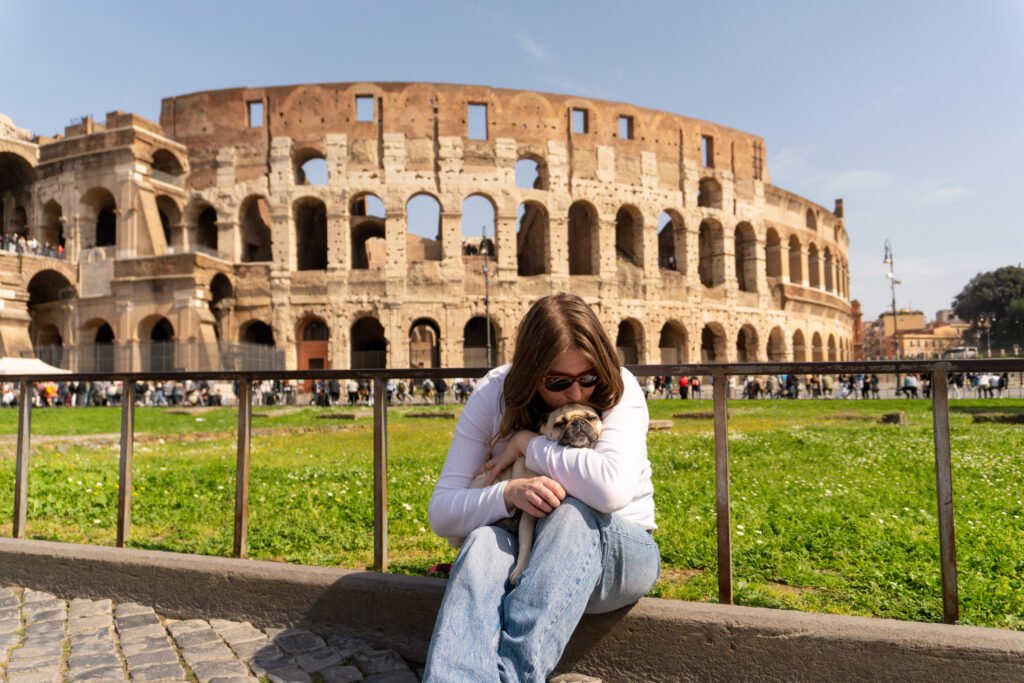
The Colosseum, big, loud but incredible to visit. Sitting on the side with my girl Bailey for a little break.
In the Colosseum, earplugs helped me stay present instead of overwhelmed. At the Spanish Steps, they took the edge off the rising crowd noise. In St. Peter’s Basilica, they let me stay steady without shutting out the atmosphere. Even in the Vatican Museums, where the sound never really stops, earplugs made everything feel more manageable.
Tip: Only fully block your ears in secure, quiet spots. Otherwise, keep them at a level where you can still hear enough to stay aware.
This one always surprises people, but peppermint oil will soothe you in almost any situation. Rome can get really hot, crowded, and full of sensory stimulation. A small dab of peppermint oil on my forehead, behind my earlobes, and on my wrists gave me a cooling, soothing effect that helped calm my nervous system.
The scent helped me feel anchored. The tingling sensation helped me refocus. It eased headaches, nausea, and muscle soreness. I always used just a tiny amount and kept it far from my eyes. It became a small habit that helped me reset whenever the anxiety started rising.
Compression socks kept my legs from feeling heavy and fatigued. The Roman Forum is uneven and the stones can make your feet and ankles ache quickly. Long days walking through the Vatican Museums or across Rome’s historic center can make your legs swell. Compression socks helped keep my circulation steady and reduced the swelling that usually makes my anxiety worse.
I also take breaks at almost every bench I see. The socks just make those breaks more effective.
Comfort always comes first when you’re walking through ancient ruins and busy European cities.
Comfortable, lightweight, and made for full days of wandering.
Comfortable shoes are essential in Rome. The city is beautiful, but it’s not gentle on your feet. Cobblestones in Trastevere, uneven steps at the Spanish Steps, long museum floors, and steep walkways all add up fast.
My shoes kept me stable and reduced the physical strain that often triggers anxiety. When your feet hurt, everything feels harder. When your feet are supported, you can enjoy the day without constantly thinking about how far you still have to walk.
In the Forum, where every step is a different texture, comfortable shoes made the experience manageable instead of overwhelming.
If there’s one item I’d say to splurge on and never go cheap, it’s the shoes. Get the comfortable shoes. You’ll never regret it.
My security sweater is old and a little stained, but it’s one of the most comforting things I bring on every trip. The fabric is soft cotton and a light blue color. It’s oversized and relaxed, almost like a wearable comfort blanket.
Whenever anxiety rose or I needed to feel my most comfortable, wearing it helped me feel safe. It reminded me of home and gave me something familiar to hold onto.
Sometimes the smallest, most worn‑in item is the one that keeps you steady.
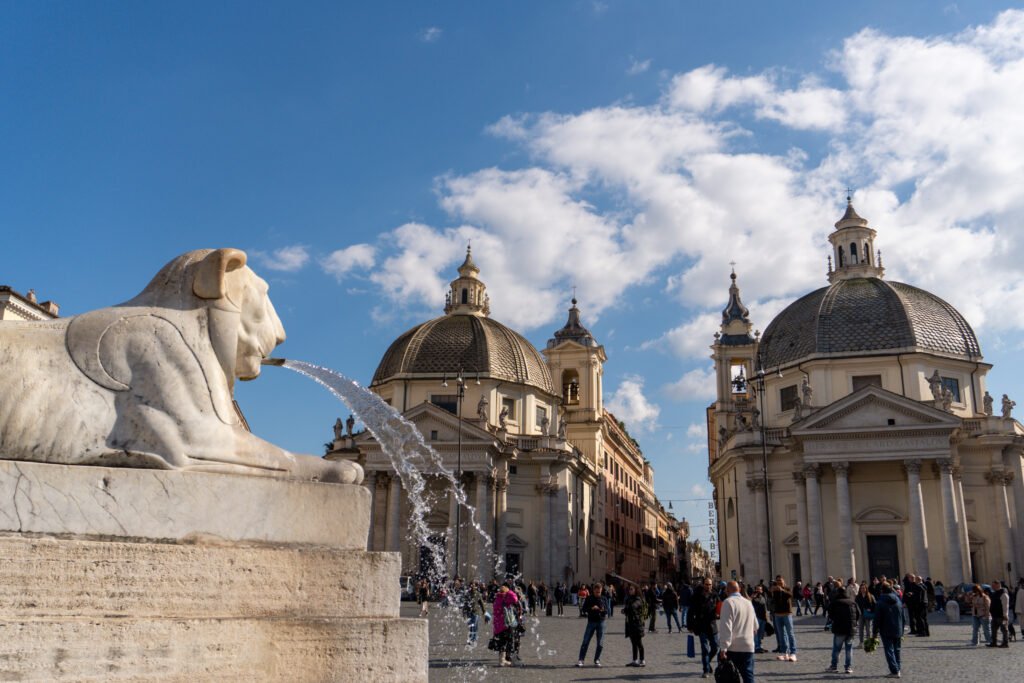
Water is essential. More than coffee. More than anything else. Rome is warm and the walking days are long. Hydration kept my energy stable and helped prevent the headaches that make anxiety worse. Rome has ancient aqueducts and water fountains everywhere with clean, fresh water, which makes it easy to refill a reusable bottle throughout the day.
I drank water constantly. Every time I felt overwhelmed, I took a sip. It helped me slow down and reconnect with my body. Drink water even when you’re not thirsty to avoid dizziness, fatigue, and headaches. Water is what will give you energy.
How I Grounded Myself During Anxiety in Rome
There were moments when the crowds became too much or the noise felt too loud. When that happened, I found a bench, sat down, and rested. I named things around me. I smelled the peppermint oil. I took slow breaths. I drank water. I let my body settle.
I reminded myself that I didn’t need to rush. Slow travel means listening to your limits. It means taking breaks without guilt. It means letting your nervous system recover from both the anxiety and the walking.
I usually felt better after about an hour of resting, stretching, and letting my senses calm down. Rome is intense if you’re trying to rush through it, so remember you don’t need to feel guilty if you skip something you planned to visit. Your well‑being comes first, always. Rome has been standing since 753 BC. It’s not going anywhere, and neither are the ruins, the piazzas, or the museums. You can always come back when your body and mind are ready.
Take care, you got this!
Read Arriving in Palermo: Beginning Our Three Month Stay in Sicily